With regards to casino games and poker, the “house” does have an edge. It is something that is well understood by every player. However, the manner by which the “edge” is presented is something that is quite distinct depending on the game being played. For players of poker tournaments, the idea of having to pay a fee to play is something that is well understood.
However, when these same players move to playing other casino games like online slot machines, they are presented with a different kind of “house edge.” Although mathematically similar in nature, the manner by which the “house edge” is presented is quite distinct. It is something that is integral to appreciating the nature of various games.
The Poker Tournament Rake
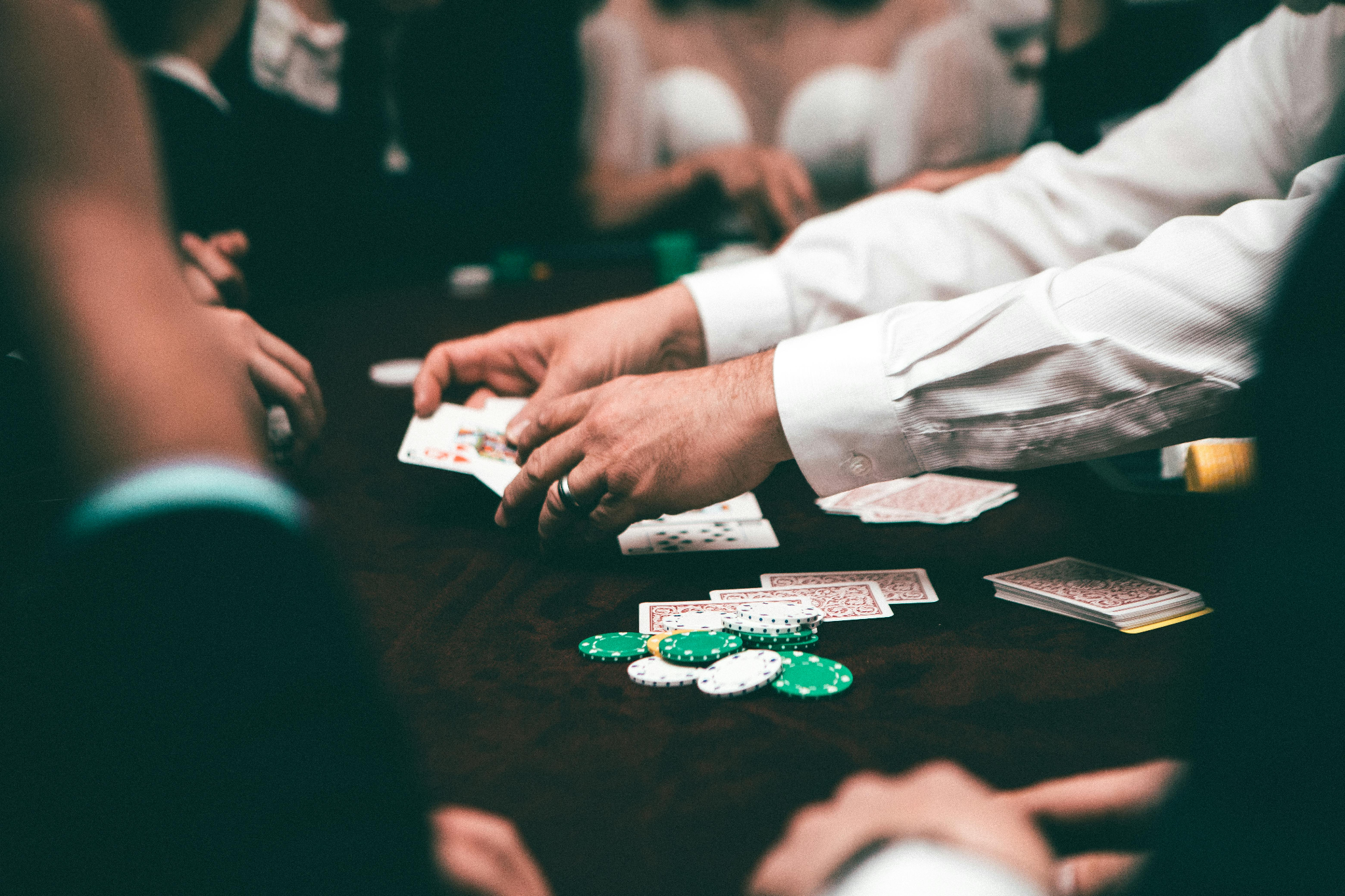
The cost of playing in a poker tournament is called “rake” or “tournament fee” and it is a fixed cost that is deducted from each player’s buy-in. For instance, a poker tournament is advertised as follows: “Cost of playing is $100 + $10” and it is obvious from this statement that $100 is added to the prize money and $10 is deducted as the house’s fee for hosting the tournament.
This is a completely transparent system. All players know exactly how much they are paying for playing in the tournament and how much money is being made by the house from hosting this tournament. Poker players, being very analytical, will find this cost very easy to calculate and understand. It is a simple cost of doing business and is viewed as a fee for using a professionally hosted poker room. This is one of the key characteristics of the poker world.
The Casino House Edge
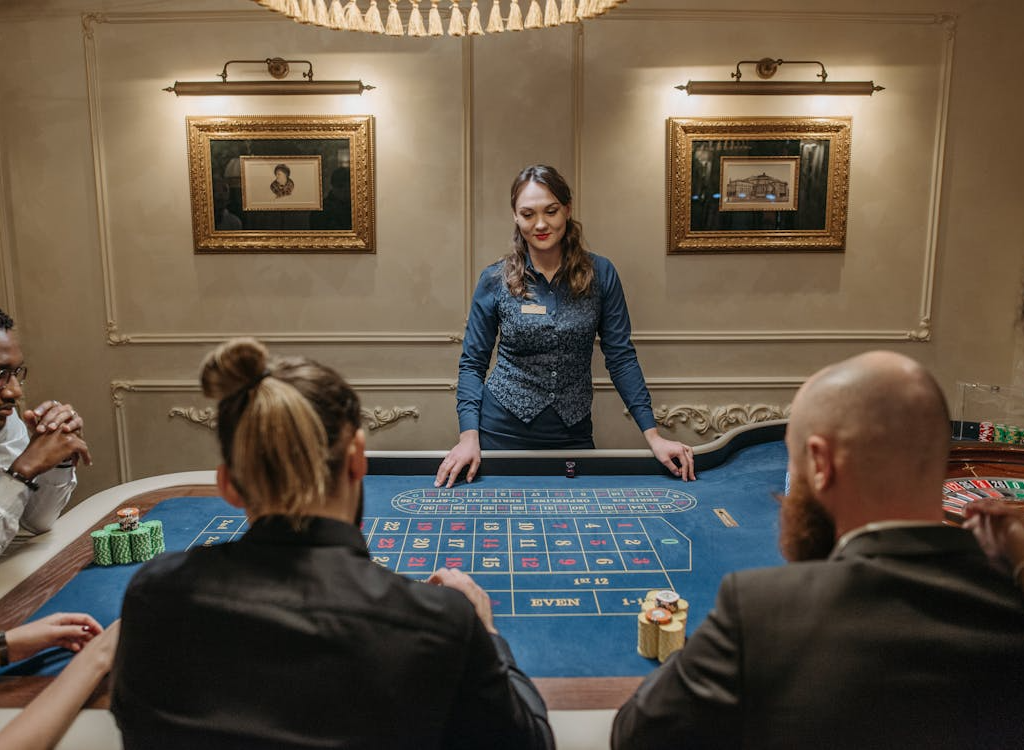
In games such as slots or roulette, the house advantage is not a direct fee. It is already incorporated into the rules of the games. This is called the “house edge.” This is a statistical advantage that ensures a casino will make money in the end. In a slot machine, for example, the house edge is represented by the “Return to Player” (RTP) percentage and so if a slot machine has an RTP of 96%, this means that in millions of spins, the slot machine is designed to pay out 96% of all money bet on it. This leaves 4% for the house edge. This is not visible in the sense that you do not see a portion of your money going to the house. There is no direct interaction in this sense. You can win a great deal of money or lose a great deal of money, but in the end, the statistical advantage of the house will hold true. This is a vastly different experience from the direct interaction of the rake in poker.
The Psychology of Direct vs. Indirect Costs
The psychological difference between the two systems is substantial. For many poker players, the directness of the rake is more appealing. It is an obvious cost for a service. It is because of this reason that many poker players may feel uncomfortable with the idea of the house edge present in other games. It is because the cost is not obvious that it may sometimes be perceived as mysterious. However, the cost is the same.
On the contrary, for many casino game players, the intangibility of the house edge is a huge part of the attraction. It allows the players to get completely absorbed into the enjoyment of the game without the feeling of the cost of playing. Every time the player plays a slot machine game, it is perceived to have the potential for a massive payout. The player does not have to think about the cost of the game being deducted from the bet. It is a key reason why players in a regulated environment like the PA online casino industry are attracted to games with a built-in house edge.
Variance and the Player Experience
Another difference is the concept of variance as poker tournaments are well-known for having a lot of variance. A player may go through dozens of tournaments without ever getting a cash prize. The rake is a fixed cost that is imposed every time.
In the case of the slot game, the house edge is experienced by the variance of the game. A player may have a session where they hit the jackpot of the game. In the short term, the house edge may be overcome dozens of times. The chance of hitting the jackpot is what makes the game so appealing. A poker player is trying to make slightly profitable decisions over a long period of time. A slot game player is trying to have one event happen. The house edge is experienced differently because the game is structured differently.
Final Thoughts
Both the poker rake and the house edge of a casino are not better or worse than each other, just different and more suited to the respective game they are applied to. The transparent nature of the poker rake is more appealing to the strategic mind of a poker player. The invisible nature of the house edge in a casino game provides a more engaging and thrilling experience for players who want to experience the thrill of a big win without knowing it is happening. This is a very interesting aspect of human psychology and how different people are drawn to different things.